

Legal Playbooks
Legal and operational policies to guide decisions, assign work, and govern execution.
Legal playbooks organize the team’s knowledge into criteria applicable to its work: preferred positions, negotiation boundaries, analysis requirements, responsibilities, and approval conditions.
In Looplex, these criteria can guide professionals’ work, recommendations from Intelligence, routing through Works, and assignments performed with Assistant.
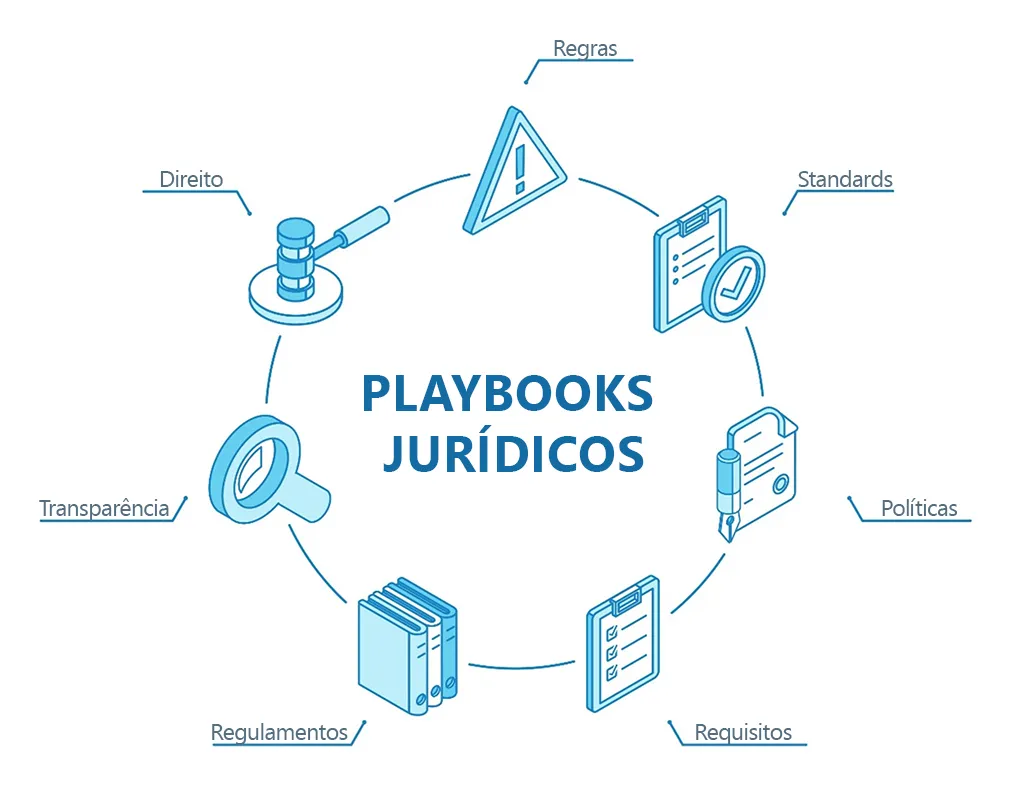
What a Playbook Defines
A playbook describes how the organization intends to handle certain situations and which criteria should guide that work. It can cover a client, a portfolio, a practice area, an operation, or a type of request.
Its content brings together legal policies and operational rules. Guidance on when to accept a clause may be associated with a requirement for specialist review; a legal argument for a particular situation may require specific documents and approval before use.
| Dimension | Example Content |
|---|---|
| Service and scope | Conditions for accepting a request, minimum information, and activities covered by the service. |
| Legal criteria | Preferred contractual positions, acceptable alternatives, legal arguments, supporting authorities, and risk parameters. |
| Routing and assignment | Applicable type of work, assignment criteria, and situations requiring a specialist team. |
| Review and approval | Responsible individuals, approval authority, review points, and conditions for proceeding. |
| Deadlines and service | Priority criteria, service commitments, and responsibilities for checking applicable deadlines. |
| Exceptions and monitoring | Treatment of unforeseen situations, information to record, and indicators for reviewing operations. |
The level of detail depends on the playbook’s purpose. Criteria should be clear enough to guide the team and support configuration of the capabilities that will be used.
Policies, Logic, and Workflows
Configuring an operation brings together three related elements:
- Data and context: the facts, documents, and records needed to understand the request.
- Policies and rules: the criteria that guide assessment of those elements and the conditions applicable to each next step.
- Workflow: the stages, conditions, responsible individuals, and handoffs between activities that carry out that next step.
The playbook defines the criteria. The workflow organizes their application throughout the work. For example, a policy may require approval for a clause that exceeds a particular person’s authority; the workflow establishes when to identify that condition, who must approve, and what happens after the response.
A single playbook can guide several workflows and specialties. Likewise, an assignment can use general organizational guidance and client-specific criteria, provided that their relationship is defined.
This organization allows knowledge to be reused across stages, from intake through analysis, document production, review, and monitoring of results.
Matter Context and Required Data
A matter brings together the context of a legal issue throughout its lifecycle. It may involve litigation, a contract negotiation, a corporate transaction, or another request, with its documents, participants, events, and assignments.
When structuring a playbook, it is necessary to identify which information makes each criterion applicable. This may include:
- Identification and status: type of request, documents involved, current stage, external records, and signing or filing status.
- Parties and responsibilities: client, counterparties, participants, representatives, and those responsible for the work.
- Subject and obligations: the product, service, or legal relationship at issue, and the relevant rights and duties.
- Amounts and dates: financial amounts, contingent obligations, effective periods, events, and milestones relevant to the analysis.
- Legal context: forum, authority, applicable legal framework, and other circumstances that affect how the matter is handled.
Not every assignment requires all of these data. Selection should reflect the activity’s purpose, including the source of the information and the need for verification.
Representing concepts consistently allows the same data to be used in an analysis, a document template, task routing, and operational indicators. A rule’s outcome depends on the available data: the same policy can lead to different next steps depending on the matter.
From Documented Policy to Application in the Platform
A manual or document can serve as a reference for the work. For its guidance to also govern routing and automated actions, it must be translated into instructions, criteria, and configurations compatible with the capabilities being used.
Preparation can follow these steps:
- Define the scope: establish the matters, teams, and situations to which the playbook applies.
- Organize the criteria: gather legal positions, supporting materials, responsibilities, approval conditions, and exception handling.
- Connect criteria with data: identify the information needed, where it comes from, and how it will be checked.
- Configure and validate application: establish instructions, rules, and workflows, checking their behavior in representative situations and anticipated exceptions.
- Review during use: assess results, update guidance, and check the effects of changes on related workflows.
Making a document available for consultation provides a reference. Automatic execution of the policies it describes depends on configuration and validation specific to each activity.
Example: Reviewing a Contract Proposal
A playbook can establish a preferred position for a particular clause, acceptable alternatives, and situations requiring additional approval.
When a new proposal arrives, Intelligence can connect it with the negotiation history and suggest reviewing its terms. Works can route the assignment to the responsible team, with the priority and Assistant participation defined for that type of request.
During execution, Assistant uses the applicable documents and instructions to prepare an analysis or a draft. If a condition requires additional assessment, the workflow includes participation by the responsible person before the relevant step proceeds. The professional monitors and reviews the delegated assignment in Workbench.
The playbook guides the criteria at every stage. The path taken depends on the request and the organization’s configuration.
Application in Copilot and Autopilot Modes
In Copilot mode, playbooks help guide responses, analyses, and suggestions during an interaction led by the user.
In Autopilot mode, their instructions and configured rules guide delegated assignments, the boundaries of action, and points of human participation.
User preferences and memory of collaboration, when available in the plan, personalize work within the organization’s policies and permissions. Configuration should make clear how to handle specific instructions and conflicts between criteria.
Legal knowledge is applied through the documents, context, and instructions made available. Post-training of Looplex’s own models is limited to classification using fully anonymized data; playbooks are not used to incorporate legal know-how into model weights for legal reasoning.
Responsibility and Updates
The organization defines who maintains playbooks, who approves changes, and how updated guidance will be made available to teams and configured capabilities.
When revising a policy, it is important to check the templates, routing criteria, and workflows that depend on it. Recording the version, scope, and effective period of guidance helps establish which reference was used for each assignment.
Assessment of specific situations and approval of actions remain with the responsible professionals, according to their assigned responsibilities and authority.